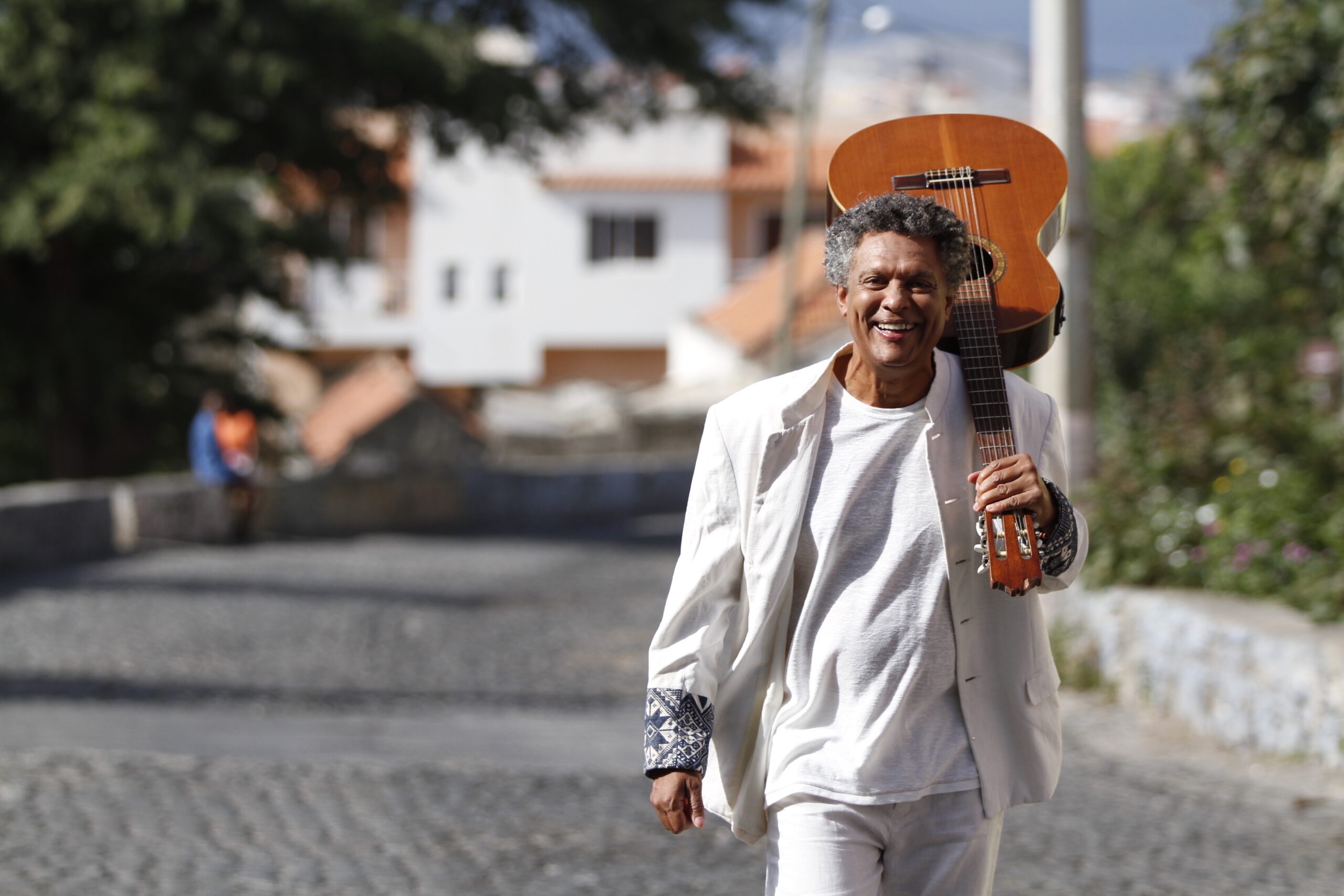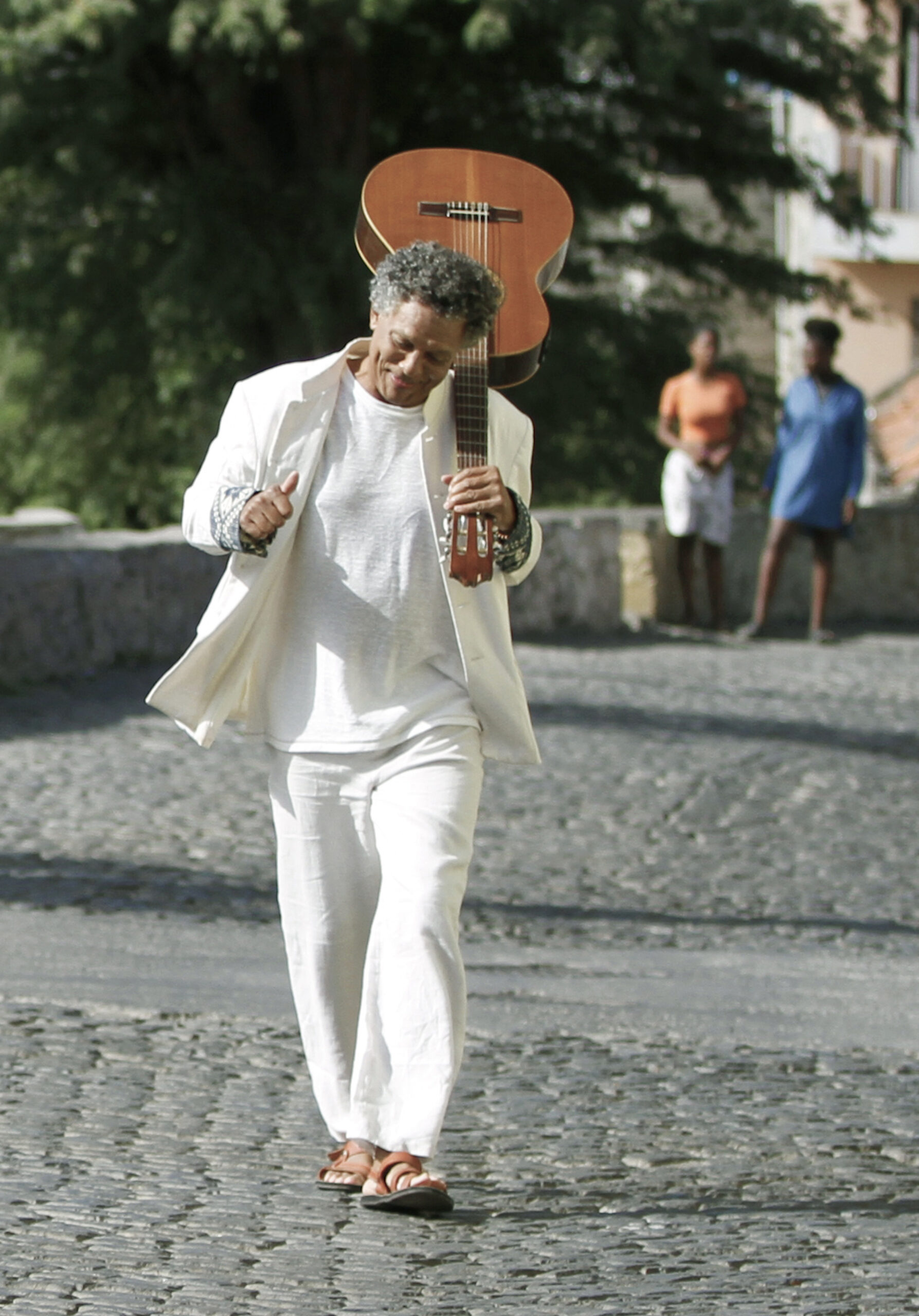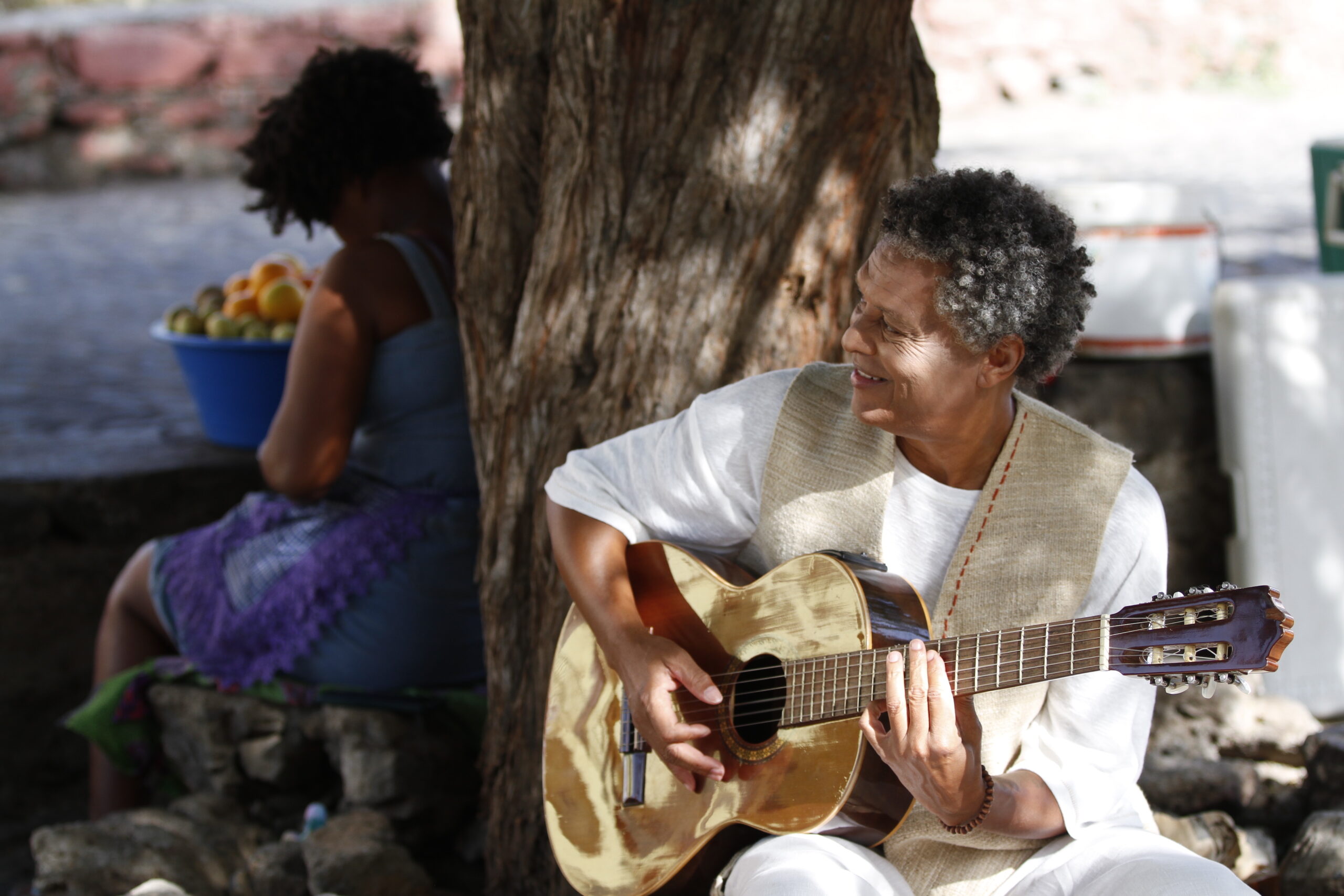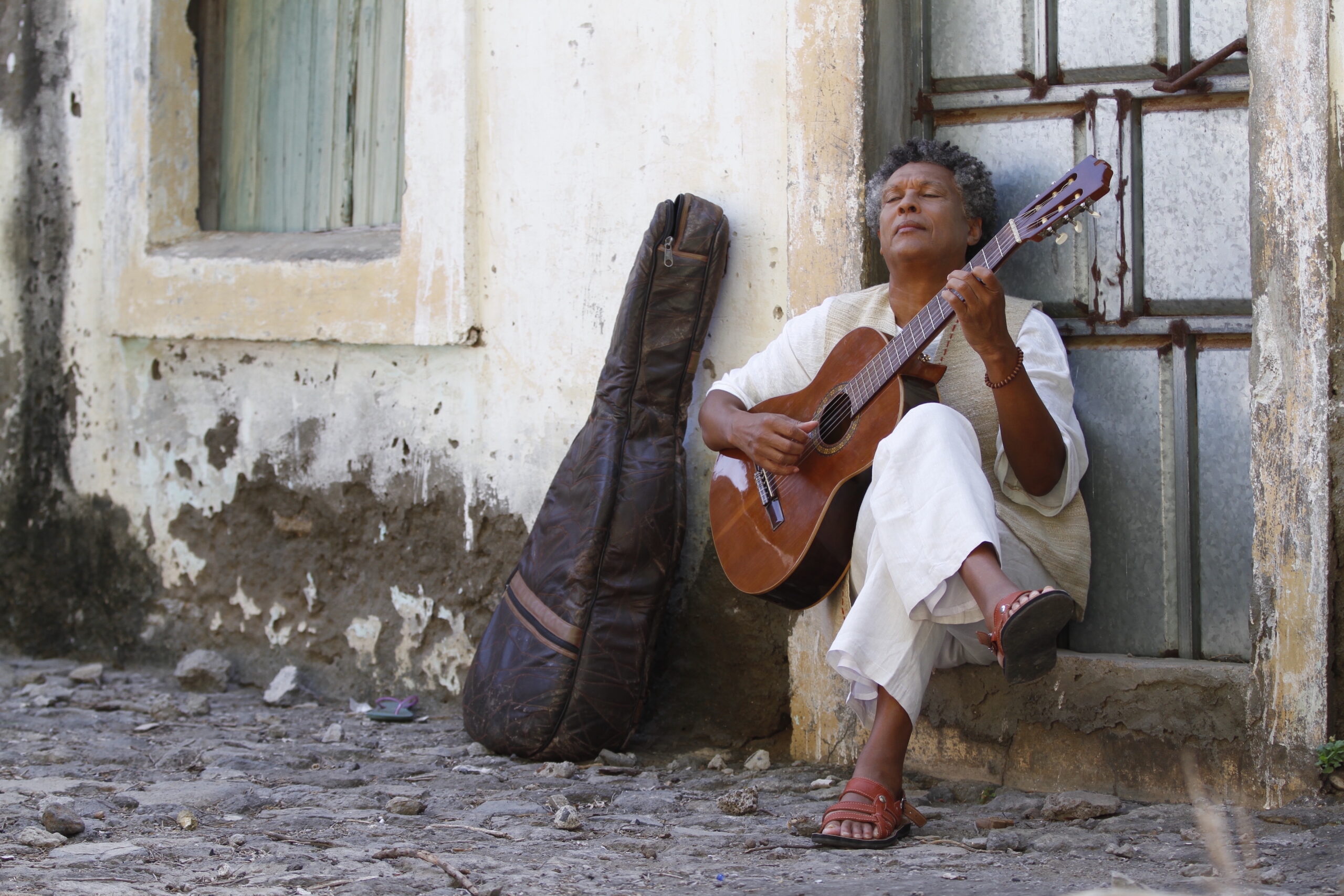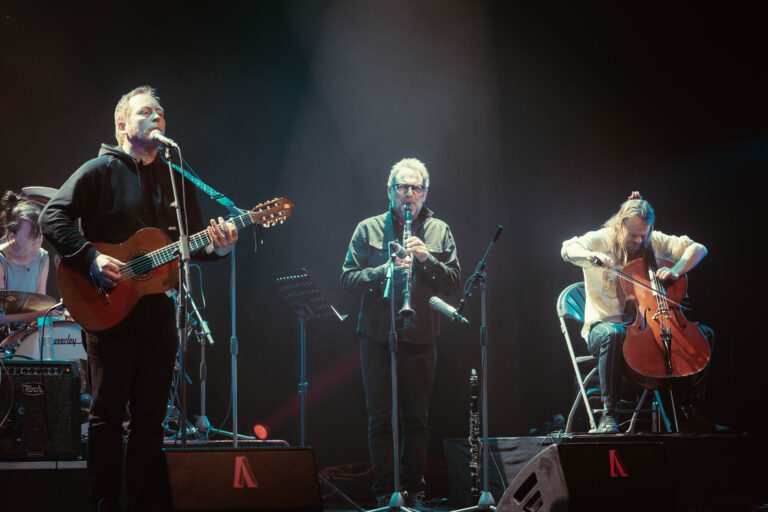

Although the Cape Verde Islands have a population comparable to only half of Prague, they are a true powerhouse in the world of music. Over the past five centuries, this originally uninhabited archipelago has become a meeting point for musical influences from Africa, Portugal, and Brazil. A number of unique musical styles emerged there as a result. Mario Lucio is one of the most remarkable figures in Cape Verdean culture, and his talent reaches far beyond music. He has served as Minister of Culture, paints, and has written ten volumes of plays, poetry, and novels. His new project with musicians from other African countries, Pan African Band, is something truly unique. Lucio reconnects with the roots from which contemporary Cape Verdean music originally grew. The group was among the biggest surprises of the latest WOMEX world music expo.
Mario Lucio was born on Santiago, the main Cape Verdean island, during the final decade of the colonial era, when Cape Verde still belonged to Portugal. He lost his father at the age of twelve, and at fifteen he and his seven siblings also lost their mother. They found shelter in an orphanage established by the army. In 1984, he received a scholarship to study law in Havana, and later became a member of the Cape Verdean parliament. He founded the highly successful group Simentera, composed music for world-famous Cape Verdean artists including singer Cesária Évora, and also performed as a solo artist. He wrote the book Manifesto of Creolization, in which he analyzes the mixing of ethnicities — Africans and Europeans — that occurred not only in Cape Verde but also across many other former colonies. His latest album with Pan African Band was released symbolically on the 50th anniversary of the independence of Cape Verde and other former colonies. The album title, Independance, is a play on words: “independence” refers to political freedom, while replacing the second half of the word with “dance” highlights movement and rhythm. Through this, Lucio points to the revival of African folk dances that had been banned during the colonial era for alleged immorality. Colonial regimes also feared that rhythm and dance created a secret bond among Africans and could become a signal for rebellion.